

Before booking a lab testing appointment at an Illinois longevity clinic, you must understand the specific biomarkers being tested and the preparation required for accurate results. Fasting, medication disclosure, and timing are critical factors that influence data quality. LifePlus MD in Peoria and Bloomington provides advanced diagnostics to help you optimize your healthspan with precision.
Understanding the Scope of Longevity Diagnostics
Longevity diagnostics is a specialized field that goes beyond standard annual physicals to measure biological age and systemic health markers. Traditional labs often focus on disease detection, whereas longevity clinics focus on prevention and optimization. This distinction is vital because it changes how you prepare for the visit.
At LifePlus MD, we utilize comprehensive panels that evaluate hormone levels, metabolic health, and inflammation. For example, we test for specific thyroid and adrenal markers that standard primary care providers might overlook. Understanding this broader scope helps you appreciate why your provider will ask for detailed lifestyle history alongside your bloodwork.
The implication for you is that you should not treat this appointment as a routine checkup. It is a data collection event designed to build a personalized health roadmap. The more accurate your baseline data, the more effective your long-term care plan will be.
Pre-Appointment Fasting and Timing Requirements
Accurate lab results depend heavily on your physiological state at the time of the draw. Most longevity panels require a strict fasting period to ensure that food and beverages do not skew metabolic markers like glucose and lipids. You should not eat for approximately 8 hours before your appointment.
Water is generally permitted and encouraged to keep you hydrated, which makes the blood draw easier. However, you must avoid coffee, tea, and any caloric beverages during this window. At LifePlus MD, we emphasize this step because even a small amount of food can invalidate certain metabolic tests.
Timing your appointment for the morning is often recommended. Cortisol and other hormones follow circadian rhythms, and morning draws provide a more consistent baseline. If you are taking daily medications, ask your provider if you should take them with water or hold them until after the draw.
Medication and Supplement Disclosure
Full transparency about your current health regimen is non-negotiable for accurate interpretation. Many supplements and prescription medications can alter hormone levels, liver function, and kidney markers. If you are taking bioidentical hormones, peptides, or even over-the-counter vitamins, you must list them.
For instance, high-dose vitamin supplements can affect certain liver enzymes, while specific medications can suppress testosterone production. LifePlus MD providers review your entire endocrine system to determine how these external factors influence your results. Hiding a supplement can lead to a misdiagnosis or an ineffective treatment plan.
The implication here is that you should prepare a written list of everything you consume. Include dosages and the time of day you take them. This level of detail allows your provider to distinguish between a true physiological imbalance and a temporary effect of a supplement.
Choosing the Right Clinic in Illinois
Not all clinics offering lab testing in Illinois operate with the same level of expertise or technology. You should look for providers who offer in-house diagnostics and advanced body composition analysis. These tools provide a more holistic view of your health than bloodwork alone.
LifePlus MD operates two locations in Illinois, in Peoria and Bloomington, and offers both in-person and virtual consultations. We use a Body Composition Analyzer to measure fat mass, muscle mass, and visceral fat, which complements your lab results. This dual approach ensures that your treatment plan addresses both internal chemistry and physical composition.
When selecting a clinic, verify that they offer a follow-up appointment to review results in detail. A good longevity clinic does not just hand you a PDF report; they explain the data and build a plan with you. This collaborative approach is central to the care model at LifePlus MD.
What to Expect During the Visit
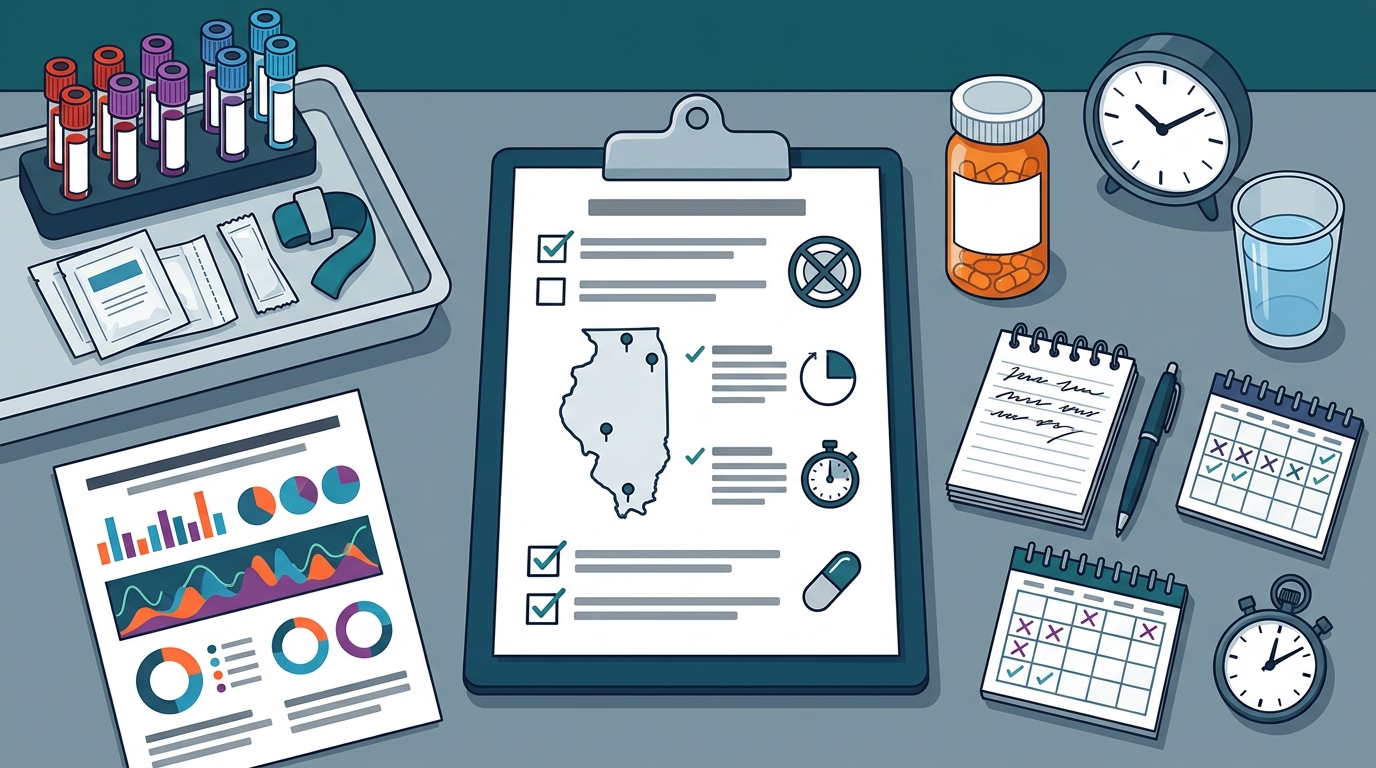
Your first visit will likely involve a detailed intake process and a physical examination. You will fill out confidential intake forms that cover your medical history, lifestyle, and goals. This information provides the context needed to interpret your lab results accurately.
After the physical, your provider will order the specific laboratory tests performed in our office. You will then schedule a follow-up appointment, typically two weeks later, to review the results. At this second visit, your provider will explain the plan in detail and discuss any necessary changes to your lifestyle or therapy.
Understanding this timeline helps you manage your expectations. It is a process, not a one-time event. The initial visit is about data collection, and the follow-up is about strategy. This structured approach ensures that you leave with a clear, actionable plan for your health.
Key Takeaways
- Fasting for 8 hours before your appointment is critical for accurate metabolic and hormone testing.
- Longevity diagnostics focuses on prevention and optimization, not just disease detection.
- Disclose all medications and supplements to avoid misinterpretation of your lab results.
- Choose a clinic that offers both advanced lab testing and body composition analysis.
- Expect a two-visit process: one for data collection and one for detailed result review.
- LifePlus MD in Peoria and Bloomington provides comprehensive, physician-guided longevity care.
Frequently Asked Questions
Do I need to fast before a longevity lab test?
Yes, most longevity panels require an 8-hour fast. You should avoid food and caloric beverages but can drink water. This ensures that your glucose and lipid levels are at a true baseline.
Can I take my daily medications before the appointment?
It depends on the medication. Some should be taken with water, while others may need to be held until after the draw. Always check with your provider for specific instructions regarding your prescriptions.
How long does it take to get results from a longevity clinic?
Results typically take about two weeks to process. Your provider will schedule a follow-up appointment to review the data with you and discuss a personalized treatment plan.
What is the difference between a longevity clinic and a primary care doctor?
Primary care focuses on diagnosing and treating existing diseases. Longevity clinics focus on optimizing health, preventing disease, and measuring biological age through advanced diagnostics and personalized therapies.
Does LifePlus MD offer virtual consultations?
Yes, LifePlus MD offers telehealth options in addition to our in-person locations in Peoria and Bloomington. This allows you to receive expert care from home or on the go.
What tests are included in a comprehensive hormone panel?
A comprehensive panel may include blood and saliva tests for hormones like estrogen, progesterone, testosterone, DHEA, cortisol, and thyroid hormones. This dual approach captures both circulating and bioactive hormone levels.
Start Your Longevity Journey
Preparing for your lab testing appointment is the first step toward a healthier, longer life. By understanding the requirements and choosing a reputable provider, you set the stage for successful outcomes. LifePlus MD is dedicated to helping you add life to your years through science-backed care.
To begin your journey, schedule your appointment with LifePlus MD today. Our team in Peoria and Bloomington is ready to guide you through every step of the process.